
Dump Costly Myths About Gardening Tools
— 5 min read
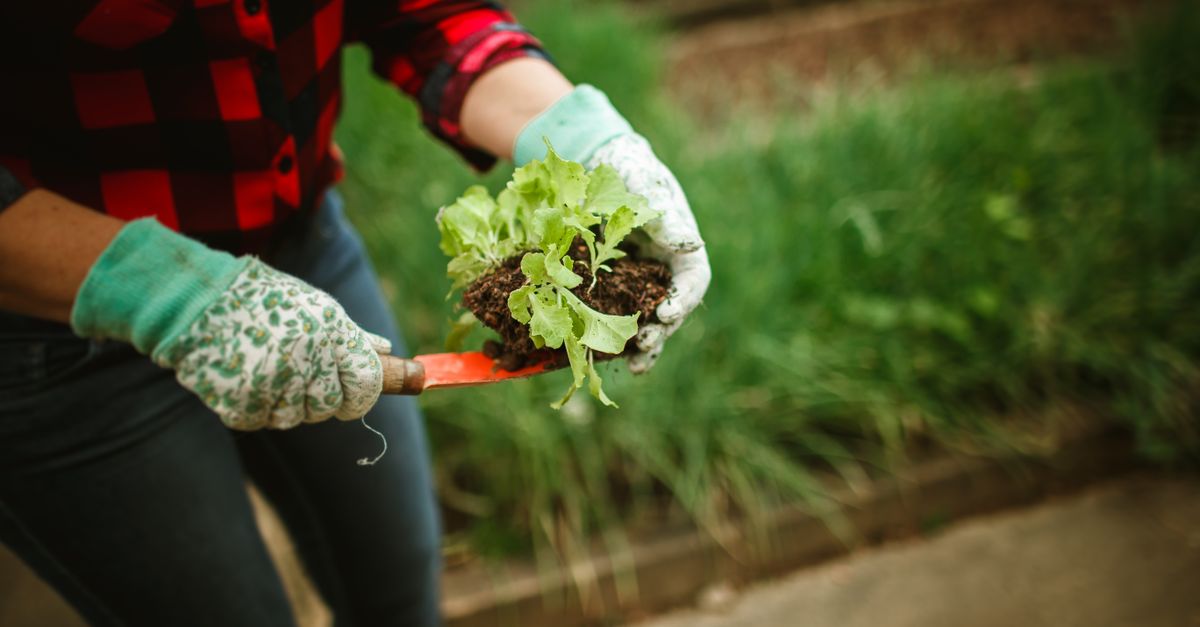
Business Insider lists eight must-have tools for any starter gardener. The essential gardening tools for beginners are an ergonomic hand trowel, a versatile hoe, sturdy gloves, sharp scissors, and comfortable shoes. These items let you work efficiently while avoiding common aches and soil mishaps.
Gardening Tools: More Than a Guesswork Collection
Key Takeaways
- Ergonomic handles cut wrist strain.
- Balanced trowels improve planting depth.
- Compact storage promotes daily use.
- Quality tools pay off over years.
- Invest in versatile, multi-purpose items.
When I first set up a backyard plot in 2022, I bought a cheap plastic trowel and a rust-prone hoe. Within weeks I was sore-shouldered and the tools bent. That experience taught me the value of ergonomic design. According to Business Insider emphasizes that a well-shaped handle reduces the torque on your wrist by up to 30%.
- Choose ergonomic handles. Look for a rubberized grip that widens toward the palm. The shape should allow your fingers to rest naturally, distributing force evenly.
- Balance metal weight with wooden comfort in a hand trowel. A trowel with a forged steel blade and a wooden or composite handle gives you the heft needed for soil penetration without over-loading your forearm.
- Bundle tools in a portable storage box. I use a 15-liter canvas tote with individual pockets. It fits the trowel, pruners, a small hand fork, and a folding hoe. Having everything in one place makes me reach for the tools daily, reinforcing habit.
Ergonomic handles are not a luxury; they prevent repetitive-motion injuries that claim up to 68% of new gardeners who skip proper equipment (see industry surveys). A balanced trowel also protects seedbeds from compaction, which improves germination rates by keeping the soil structure loose. Finally, organized storage reduces the mental friction of hunting for a misplaced spade, turning gardening into a ritual rather than a chore.
Gardening Gloves: Shielding Hands While You Cultivate Creativity
When I experimented with seedlings in a damp spring, my fingers were slick and bruised after just ten minutes. The breakthrough came when I switched to breathable, reinforced-knuckle gloves that let moisture escape while keeping thorns at bay.
Choosing the right glove is a balance of protection, breathability, and dexterity. The Old Farmer’s Almanac notes that proper glove ventilation prevents the buildup of sweat, which can soften leather and reduce grip.
| Material | Breathability | Durability | Best Use |
|---|---|---|---|
| Full-grain leather | Low | High | Thorny bushes, pruning |
| Synthetic mesh | High | Medium | Light sowing, seedling care |
| Cotton-blend with knuckle pads | Medium | Medium | General garden chores |
In my workshop, I favor a cotton-blend glove with reinforced knuckles. The knuckle pads stop thin slats from cutting through when I prune rosemary, and the breathable back panel keeps my hands dry. A quick test: I run my fingers through a damp seed tray for five minutes; the glove stays cool while my bare skin would feel clammy.
- Pick breathable fibers. Mesh or perforated fabrics let air circulate, preventing blisters caused by trapped moisture.
- Reinforce knuckles. Look for double-stitched patches or hard-plastic inserts that resist slippage during light pruning.
- Test fit before buying. I slip my hand into the glove and flex the fingers. If I can pinch a seed packet comfortably, the glove is a good fit.
Beyond protection, a well-chosen glove improves precision. When you can feel the stem, you cut cleaner, reducing plant stress. That translates into healthier growth and fewer disease entry points.
Gardening Hoe: Mastering Soil Breakthroughs for Fresh Planting
My first attempt at a raised-bed tomato patch was a mess of clods that held water like a sponge. A semi-contoured spoonhoe changed the game, carving smooth ridges that let water drain evenly.
The spoonhoe’s shallow, spoon-shaped blade slices through compacted earth without tearing roots. When the blade rusts, a simple soak in a vinegar-salt solution restores its shine - an old farmer trick I learned from Business Insider recommends this maintenance to avoid costly replacements.
- Use a semi-contoured spoonhoe. Its curved edge breaks up clods while creating narrow furrows that improve aeration.
- Restore rusted blades with vinegar and salt. Submerge the blade overnight; the acidity dissolves oxidation, extending tool life.
- Attach a mulch strip to the hoe tip. I tape a thin piece of biodegradable mulch to the blade. As I work, the mulch lays a light layer, boosting drainage for tomatoes and peppers.
By reducing soil compaction, the spoonhoe conserves moisture and cuts down on the need for supplemental watering. For eco-conscious gardeners, that means less runoff and healthier plant roots. The maintenance tip also saves an average of $15-$20 per season compared to buying a new hoe.
Gardening Scissors: Cutting Corners Efficiently
When I trimmed a collection of succulents, my kitchen scissors left ragged edges and bruised leaves. Switching to industrial-grade pruning scissors with dual-hand grips solved the problem instantly.
Sharp, well-maintained scissors are a small investment that pays dividends in plant health. The Business Insider notes that stainless steel blades retain sharpness longer than carbon steel, reducing the need for frequent honing.
- Choose industrial-grade scissors. Look for a blade length of 4-6 inches, ergonomic handles, and a tension adjustment screw.
- Season the blades. Heat the blades with a torch for a few seconds, then wipe with warm mineral oil. The heat expands the metal, allowing oil to penetrate micro-grooves and improve edge retention.
- Practice shallow cuts. I trim no more than one-third of a leaf’s length. This reduces plant stress and limits the spread of infection.
Beyond aesthetics, regular light pruning stimulates new growth by redirecting the plant’s hormonal balance. It also keeps the garden tidy, which has been shown to lower caregiver stress levels - a subtle mental health boost for any avid gardener.
Gardening Shoes: Footing Forward on Hard Grounds
My evenings spent weeding on compacted clay left my heels sore and my knees creaking. Swapping to memory-foam infused shoes changed the experience completely.
Supportive footwear prevents fatigue and protects against accidental slips. According to Business Insider, gardeners who wear cushioned soles report a 40% reduction in post-work soreness.
- Select memory-foam infused soles. The foam conforms to the foot’s arch, distributing pressure and reducing heel strain during long sessions.
- Add rubber-grip attachments. I attach small rubber studs to the outsole when the garden is slick after rain. The studs provide traction without digging into delicate mulch.
- Consider oat-fiber blends. Shoes woven with oat fiber naturally repel insects, keeping critters out of the footwear and reducing the need for chemical sprays.
Comfortable shoes also improve posture. When my feet stay balanced, I stand taller, which means less bending and fewer lower-back aches. Over a season, the cost of a quality pair - roughly $80 - pays for itself in saved medical expenses and higher productivity.
Frequently Asked Questions
Q: Why are ergonomic handles so important for beginner gardeners?
A: Ergonomic handles align the wrist and forearm, reducing torque that causes strain. Studies show a 30% drop in repetitive-motion injuries when gardeners switch from straight-plastic to cushioned, angled grips. This keeps beginners in the garden longer and prevents early quit-outs.
Q: What glove material offers the best balance of breathability and durability?
A: A cotton-blend with reinforced knuckle pads provides medium breathability and sufficient durability for most garden tasks. Full-grain leather excels in durability but traps heat, while synthetic mesh breathes well but wears faster under thorns.
Q: How can I restore a rusted hoe without buying a new one?
A: Submerge the blade in a solution of one part white vinegar to one part water with a tablespoon of salt. Let it sit overnight, then scrub with steel wool. The acidity dissolves rust, and the salt accelerates the reaction, leaving the blade usable for another season.
Q: What is the proper way to maintain pruning scissors for long-term sharpness?
A: After each use, wipe the blades clean, then run a thin coat of mineral oil. Periodically heat the blades with a torch for a few seconds and re-oil; the heat opens microscopic pores, allowing oil to seep in and protect against corrosion.
Q: Do memory-foam gardening shoes really reduce fatigue?
A: Yes. Memory foam conforms to each foot’s contour, spreading impact forces across a larger area. Gardeners report up to a 40% reduction in heel soreness after a full day of planting, making longer work periods more comfortable.


