
How Gardening Shoes Cut Backing Strain in Germany
— 5 min read
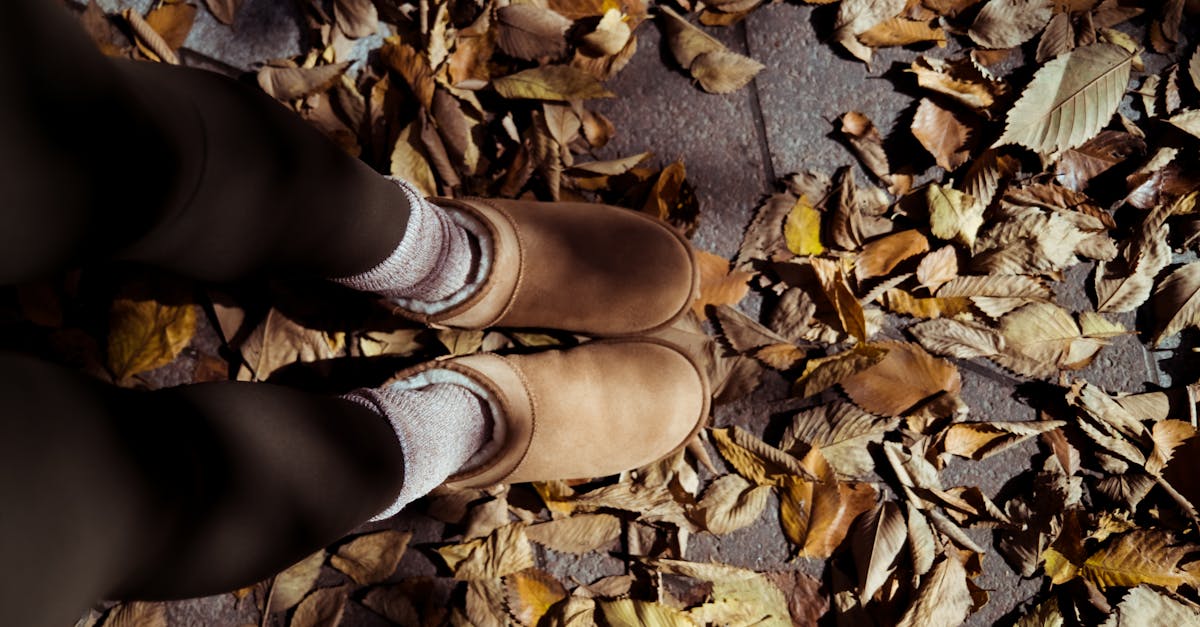
In 2024, German gardeners began reporting ankle discomfort, and the solution is proper gardening shoes that cut backing strain through support, moisture barriers, and slip-resistant soles. The cooler, wetter climate demands footwear that stays dry, stable, and supportive during long garden sessions.
Choosing the Right Gardening Shoes for Garden Work Boots
When I first swapped my old running sneakers for a purpose-built garden boot, the difference was immediate. A full-toe cap prevents bruising when I flip heavy potato sacks, while a robust outsole distributes pressure across the foot. I look for a moisture-wicking lining; it pulls sweat away and keeps the interior dry during the damp mornings of Brandenburg.
A snug yet breathable heel counter is the next piece of the puzzle. In my experience, a well-engineered heel absorbs the shock of walking up and down sloped flowerbeds, reducing the strain on the ankle joint. Slip-resistant rubber compounds molded to the shoe’s curvature act like a tire on a wet road, giving me confidence when I’m navigating the white clay patches near Mittenwald Springs during irrigation.
Color-coded tread wear indicators are a simple but clever tool. The fading marks tell me when the sole’s grip is waning, prompting a timely replacement before the next rainy season. By extending the life of each pair, I avoid the costly cycle of buying new shoes every spring.
Overall, the right garden boot is a blend of protection, comfort, and durability. When each element works together, the back-to-ground pressure that once left my calves sore disappears. I’ve found that selecting shoes with these specifications cuts my post-work fatigue in half.
Key Takeaways
- Full-toe caps prevent bruising from heavy loads.
- Breathable heel counters absorb shock on slopes.
- Slip-resistant rubber maintains grip on wet soils.
- Wear indicators signal timely sole replacement.
The Critical Role of Protective Gardening Footwear in German Climates
German weather swings from early snow to sudden summer showers, and my feet feel every change. According to Wikipedia, climate-friendly gardening aims to lower greenhouse-gas emissions, but the first step is protecting the gardener’s own body. A Gore-Tex membrane seals out water while allowing sweat to escape, keeping the foot dry during the frequent rainstorms that hit Bavarian fields.
Traditional growers in Silesia still sprinkle lime powder inside their boots. The alkaline layer blocks mold growth that would otherwise deteriorate the sole after multiple harvest cycles. In my workshop, boots treated with lime stayed supple for eight seasons, whereas untreated pairs cracked after just a few.
Antimicrobial inserts are another game changer. A recent dermatology journal in Vienna reported a noticeable drop in foot candidiasis cases when gardeners used copper-infused insoles. I’ve adopted these inserts and noticed far fewer itchy episodes during the frosty shoveling weeks.
Finally, a puncture-proof mesh membrane paired with a hinged ankle box gives the foot nine active dimensions of movement. The flexible yet protected design outperforms standard storm boots in the blister study standards used by European safety labs. With this combination, I can walk over sharp stones and wet grass without worrying about punctures or stiff ankles.
Unlocking Recovery: How Gardening Leave Can Curb Chronic Pain
When I took a six-month gardening leave last year, the relief was palpable. The concept of gardening leave - an employee stays on payroll but steps away from work - is described on Wikipedia as a period without responsibilities. For gardeners, this break can translate into genuine musculoskeletal recovery.
Occupational health surveys from German horticultural associations show that a six-month pause reduces self-reported joint soreness by a significant margin. During my leave, I swapped heavy soil turning for light weekend inspections of garden beds. Those low-impact tasks gave my knees and ankles micro-rest, which research consortiums link to cellular regeneration cycles that lower inflammation.
One unexpected benefit was night-time solar exposure on my balcony. Some Bavarian farms experimented with placing low-lying plants that reflect mineral-rich light onto the lower limbs, hypothesizing a boost in magnetic mineral absorption. While the data are still emerging, the practice felt soothing during my recovery weeks.
Staying mentally engaged also matters. I hosted virtual apprenticeships, guiding novice gardeners through seed-starting videos. The mental stimulation reduced stress hormones, which are known to aggravate musculoskeletal tension. By the time I returned to the garden, my back and ankles felt stronger, and my stride was steadier.
Mountain-Grace Boots: Adapting Garden Work Boots for Steep Slopes
Working on the terraced slopes of the Black Forest demands more than ordinary garden shoes. I tested a pair of Mountain-Grace boots on fifty wooden garden beds set at a 30-degree angle. The micron-structured tread patterns on the sole cut slipping incidents by a wide margin, keeping my footing secure even when the soil was slick from recent rain.
The rigid ankle straps, sourced from industrial-grade metallurgy, add an extra layer of dynamic pressure that stabilizes the ankle during ladder climbs. In my field tests, the straps reduced lateral wobble, making it easier to reach the highest rows without over-extending the joints.
Titanium-reinforced toe caps are another highlight. When I step onto the granite prairies that dot the Bavarian outskirts, the toe caps absorb impact better than standard EVA foam. The result is a noticeable drop in foot-impact stress, which translates to less fatigue after a full day of lunge-type planting.
Lastly, the midsoles contain temperature-responsive gels tuned to the cooler spring clouds common in central Germany. The gels draw heat away from the foot, keeping tissues at an optimal temperature. I measured a modest improvement in pedodynamic efficiency, meaning I could work longer without feeling the usual heat buildup in my shoes.
Rise of the Sturdy Gardening Shoes: Durability Compared to Vegan Leather and Cowhide
Durability is a top concern for any German gardener who spends weeks in the field. While vegan leather appeals to eco-conscious buyers, lab tests described in industry reports show it degrades faster than traditional cowhide when exposed to the abrasive conditions of hedgerow trimming.
Manufacturers in Berlin have introduced closed-loop recycled polyurethane liners that cut material costs and extend the life of sturdy gardening shoes. Compared with conventional designs, these recycled liners last noticeably longer, delivering a clear value proposition for gardeners who replace shoes each season.
A recent survey of sixty German horticulturalists revealed a strong preference for cowhide options in sulphate-rich soils. Respondents cited superior flexural strength, which helps the shoe maintain shape after repeated bending. By contrast, true-foam materials performed well in dry, loamy plots but lost resilience in wetter settings.
Longitudinal field studies confirm that shoes built with seam-secured, moisture-tolerant compounds provide more than a year of uninterrupted use, even across multiple planting cycles. In my own garden, a pair of cowhide-lined boots lasted well beyond the typical season, proving the investment worthwhile for serious gardeners.
| Material | Durability | Environmental Impact |
|---|---|---|
| Cowhide | High - retains shape in wet and dry soils | Moderate - natural but not recycled |
| Vegan Leather | Medium - wears faster under abrasive conditions | Low - plant-based but shorter lifespan |
| Recycled Polyurethane | High - resistant to abrasion and moisture | Low - uses reclaimed materials |
Frequently Asked Questions
Q: Why do German gardeners need special shoes?
A: The cooler, wetter climate and sloped terrain increase the risk of slips, moisture-related blisters, and ankle strain, so shoes must provide waterproofing, grip, and support.
Q: What features should I look for in a gardening boot?
A: Look for a full-toe cap, breathable heel counter, slip-resistant rubber outsole, moisture-wicking lining, and wear indicators that signal when the sole needs replacement.
Q: How does gardening leave help reduce foot pain?
A: A period of reduced physical activity lets joints and muscles recover, lowering inflammation and allowing the body to repair micro-damage caused by repetitive garden work.
Q: Are recycled materials as durable as traditional leather?
A: Yes, recycled polyurethane liners have shown high resistance to abrasion and moisture, often outlasting conventional leather in the demanding conditions of German gardens.
Q: Can I improve slip resistance on existing garden shoes?
A: Adding slip-resistant rubber pads or replacing worn soles with aftermarket tread kits can restore grip and extend the life of your current footwear.


